The maker movement values human ingenuity, whereby students create and design products whilst engaging with the design process and has also resurrected constructionism within education (Blikstein, 2013). Instead of sitting and listening to information, students have the opportunity to engage in hands-on learning experiences where creativity is fostered alongside higher-order, design and computational thinking capabilities (Bower, et al., 2018). In addition, students partake in solving complex problems to debug their designs.
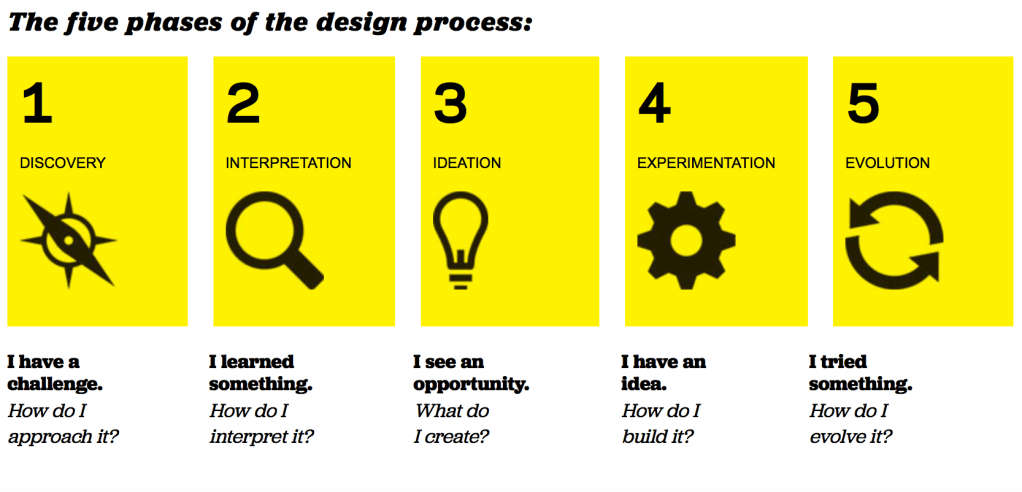
The maker movement also includes the functional use of makerspaces. These being physical spaces within classrooms promoting ‘making’ where a balance of explicit instruction and open-ended inquiry is essential in creating a positive learning experience (Bower, et al., 2018) . These spaces allow for the blending of digital and physical technologies in order to explore creative ideas, create new products and to learn and develop technical skills (Donaldson, 2014; Martinez & Stager, 2014). Students engage in their own learning as they work on meaningful and authentic projects (Donaldson, 2014). Student-centred activities where they work on their own interests, results in high-quality products and thus, increases intrinsic motivation (Donaldson, 2014; Martinez & Stager, 2014).
Makey Makey is an electronic example which requires makerspaces. Makey Makey is a USB device turning almost anything into a computer input. All you need is something that can conduct electricity to attach the alligator clips to and then begin the design process.
Examples of Makey Makey classroom opportunities include:
- Discovering conductible materials (Science)
- Distance, rate and time (Mathematics)
- Blackout poetry (English)
- Making instruments (Music)
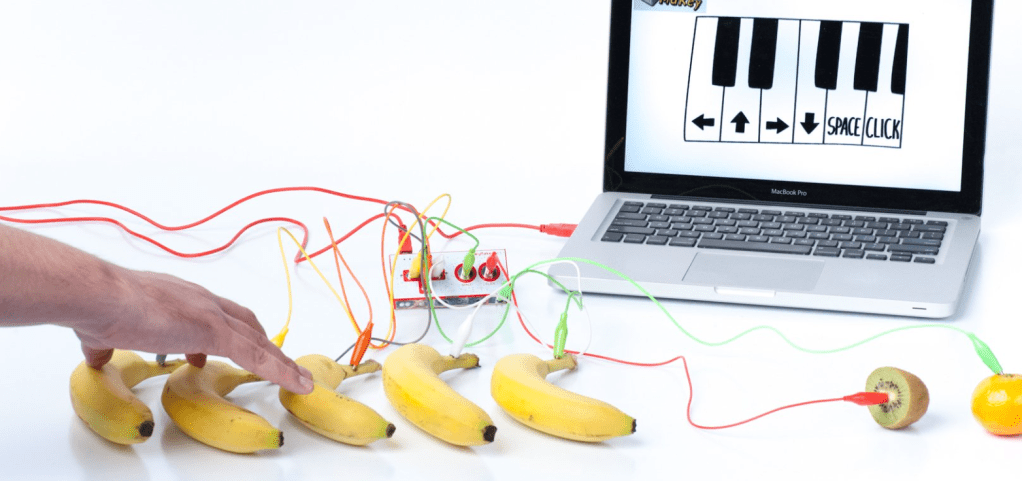
From these examples, Makey Makey clearly covers many KLAs bringing forth a plethora of opportunities for authentic and meaningful learning experiences. In addition, Scratch can also be used to code their designs where necessary (e.g. computer games).
Blikstein (2013) also discusses digital fabrication – for example, 3D printing – as a form of constructionism. Although 3D printing definitely requires a hands-on approach, the generation of designs can become a result of ‘mass production’ in which little to no creativity is used. Therefore, it is critical for teachers to steer away from quick demonstrations and rather, push students towards more complex endeavours. In addition, along with Makey Makey cost, accessibility an teacher knowledge becomes a factor that all schools need to consider.
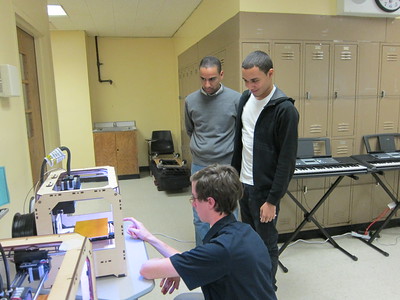
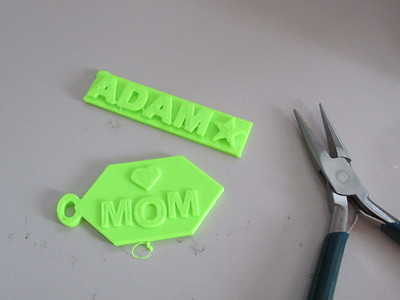
These technologies clearly enhance multiple literacies in all KLAs and promote cross-curricular proficiencies. They also foster creativity as they situate students as designers, as they engage in the design process and higher-order thinking. In addition, student’s complete tasks focusing on their own interests, resulting in high-quality products through authentic and meaningful learning experiences. Therefore, producing confident and capable students who become skilled learners who can solve any problem they face (Bower et al., 2018).
References
Bower, M., Stevenson, M., Falloon, G., Forbes, A., & Hatzigianni, M. (2018). Makerspaces in primary school settings: advancing 21st century and STEM capabilities using 3D design and printing. Available at http://primarymakers.com
Donaldson, J. (2014). The Maker Movement and the rebirth of Constructionism. Hybrid Pedagogy. Available at: https://hybridpedagogy.org/constructionism-reborn/
Martinez, S., & Stager, G. (2014). The maker movement: A learning revolution. Learning & Leading with Technology. Available at: https://multisearch.mq.edu.au/permalink/f/1lmkbbh/TN_gale_ofg367544205
Blikstein, P. (2013). “Digital fabrication and ‘making’in education: The democratization of invention.” FabLabs: Of Machines, Makers and Inventors: pp. 1-21. Available at: https://tltlab.org/wp-content/uploads/2019/02/2013.Book-B.Digital.pdf
 Elise's Blog